Prajapati Caste’s Cultural Heritage
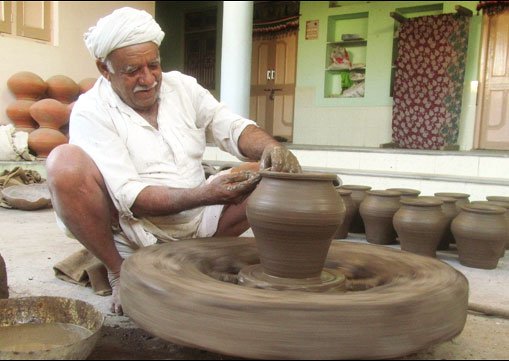
The Prajapati caste is an important caste in the Indian community. This community is renowned for its craftsmanship and is known to have a long history of craftsmanship going back centuries. The Prajapati caste is known for its involvement in pottery-making and other artistic professions, adding to the cultural mosaic of different areas.
Social Structure and Community Roles
The Prajapati caste social structure is complex and different in various parts of India. The Prajapati caste has traditionally worked as potters, smiths, and artisans. This wide range of occupations is helping them to develop their own identity. In many places they have migrated into other occupations and have become incorporated into other roles within the community but have kept the “core of their job.”
Historical Significance and Contributions
In history, the Prajapati caste has played a major role in the economic and cultural uplift of their respective areas. They have great skills at pottery and metalwork, supplying necessary commodities and cultural articles. The importance of the Prajapati caste in history can be seen in their traditional skills that have also been adopted in the present-day industries, thereby showing that the Prajapati caste had a long-lasting impact on society and cultural heritage.
Regional Variations in Traditions
The customs and practices of the Prajapati are not uniform throughout India but rather show a degree of regional variation among them. Their customs and religious beliefs are strongly affected by the environment in some places. The variations between these regions are additional to the caste differences of the Prajapati caste and reflect a wide range of cultural expressions.
| Region | Traditional Occupation | Common Practices |
| Rajasthan | Pottery | Decorative clay work |
| Gujarat | Ceramic craftsmanship | Idol making |
| Uttar Pradesh | Earthenware production | Household pottery |
| Madhya Pradesh | Artisan crafts | Handcrafted utensils |
Adaptations & challenges in the modern day
In contemporary society, the Prajapati caste face several challenges as they adapt to changing economic and social landscapes. Modernization and technological advancements have impacted their traditional occupations, prompting a shift towards new opportunities. Despite these challenges, the Prajapati caste continues to preserve its cultural heritage while embracing innovation. Members of the community are finding new ways to integrate their traditional skills into modern industries.
FAQ
What is the traditional trade of the Prajapati caste?
Traditionally, potters, metalworkers, and other artisans are of the Prajapati caste. These abilities have been handed down by generations and are a part of their culture.
How does the Prajapati caste add to the cultural heritage?
Prajapati are also significant contributors to the cultural heritage sector of the economy due to their pottery and metalwork skills. The tools they use as a way of living are beneficial both economically and culturally for the diversity of the region.
What problems does the Prajapati caste face in today’s context?
Problems faced by the Prajapati caste are the effects of modernization and technological developments on their traditional occupations. In spite of this, they are adapting by introducing traditional skills in contemporary industries, which will help in preserving their culture.