Social Hierarchy and the Rajak Caste
The Rajak caste forms part of the complex social structure in India. This group of caste have traditionally been associated with washing and cleaning and have contributed significantly to the care of community hygiene. Several social and political changes did not effect the caste of the Rajak and the influence of the Rajaks is still in effect to the present days.
Traditional Occupations of the Rajak Caste
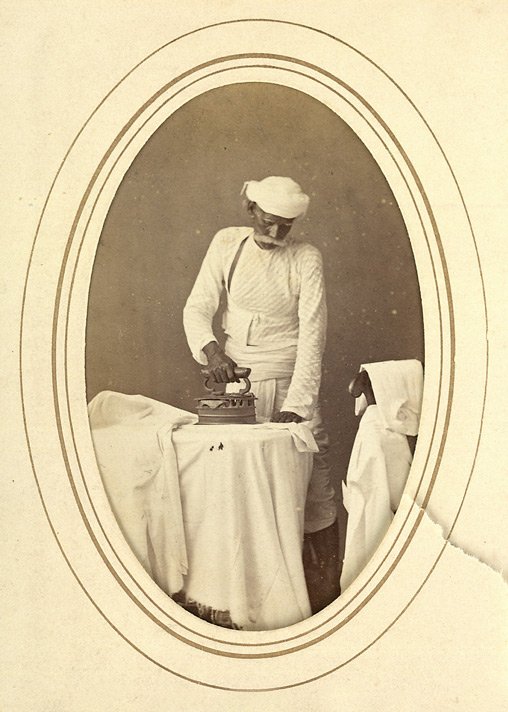
The Rajak caste traditionally has been associated with laundering and cleaning of articles. These roles have been handed down from generation to generation and the significance of these services in society has been highlighted. Modernizations have created new employment opportunities, but many others still do these jobs as a respect of their culture, and to the economy of their community.
Cultural Practices and the Rajak Caste
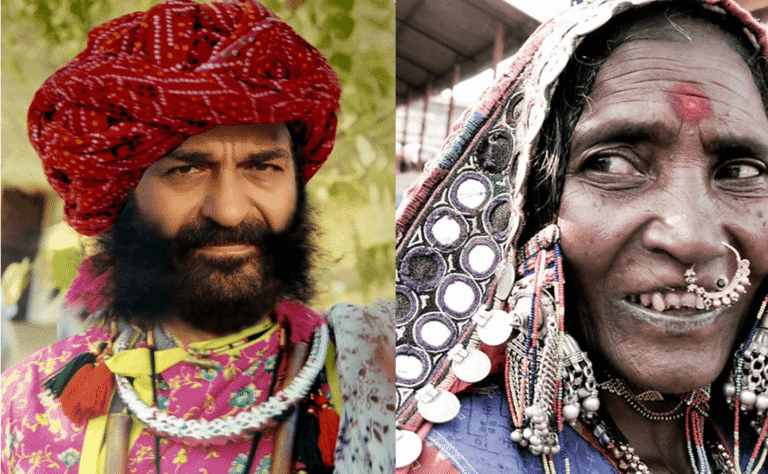
The cultural heritage of Rajak caste is very rich and diverse, and has been passed down for centuries. They have an important social life, through social events, festivals, and family rituals. These practices support not only the solidifying of community bonds but preserving its uniqueness. The Rajak caste strives to balance their own culture with the influence of modernity in today’s society.
Regional Distribution of the Rajak Caste
The Rajak is mainly seen in northern and middle India with major population in Uttar Pradesh and Bihar state. This distribution spread a distinct culture and way of life throughout the region. Though their way of life differs from region to region, all the Rajak castes have a similar cultural and occupational background which does contribute to unity and a collective identity of the castes despite the difference in areas.
Key Characteristics of the Rajak Caste
| Aspect | Description |
| Traditional Occupation | Laundering and cleaning services |
| Cultural Practices | Festivals, family rituals, and community gatherings |
| Main Regions | Uttar Pradesh, Bihar, and parts of North and Central India |
| Social Role | Contribution to community hygiene and social well-being |
| Cultural Identity | Strong community bonds and shared traditions |
| Modern Developments | Expansion into diverse occupations and professions |
Historical Significance of the Rajak Caste
The Rajak caste has a rich history, having been in existence for many years and contributing significantly to Indian society. For thousands of years, their ability to do laundry has been a major asset to both country and city. These new roles have changed over the years, as the world has changed. Study of the history of the Rajak caste provides insights into the evolution of India’s social and cultural fabric.
FAQ
What is the traditional occupation of the Rajak caste?
Laundering and cleaning clothes are the basic professions of the Rajak caste. It is a tradition that has been passed down from generation to generation, and these services are essential for maintaining hygiene in the community and a sustainable economy.
Where is the Rajak caste primarily located?
They are mainly concentrated in Uttar Pradesh and Bihar and in the northern and central parts of India, a community known as Rajak. Their presence in this region has an impact on their cultural-way of-life and social interactions.
How has modernization affected the Rajak caste?
With modernization came opportunities for work for the Rajak caste and they have adopted many different avenues of earning a livelihood. But many practice with the traditional profession, so that they can adapt the culture with the changes of the present society.