Padmashali Caste and Their Weaving Tradition
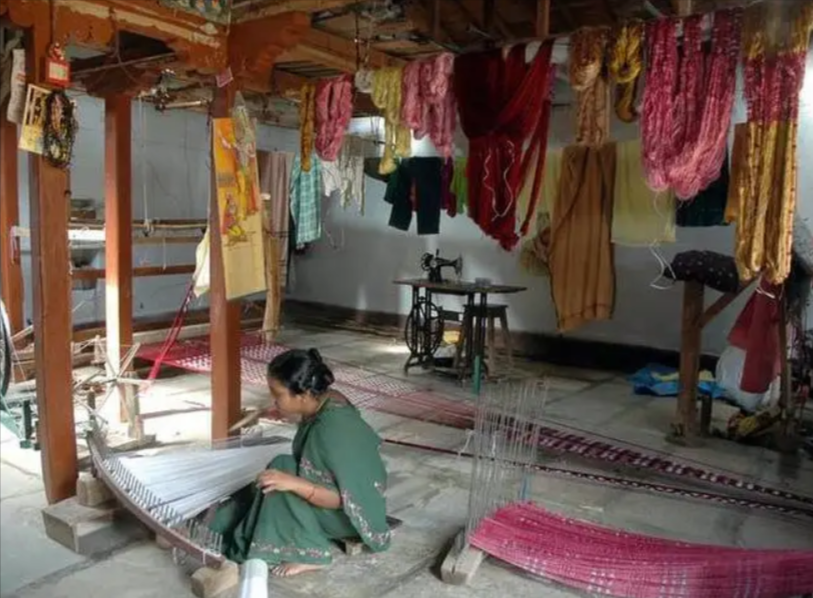
The community is known for their excellent weaving skills, which have been passed down through generations of the Padmashali Caste. There are many families that have been teaching the art of textile from one generation to the next. Their handmade sarees and fabrics are known for their intricate designs, vibrant colours, and exceptional craftsmanship. These weaving practices continue to be a significant part of their cultural heritage and identity.
Rights to cultural heritage and historical significance
The Padmashali Caste have a long history of cultural practices linked to India’s textile history, as well as various artisan communities. Many customs and family values have been maintained over the years within the community, as well as many celebrations. They are very attached to traditions which shows their respect to their ancestors. This cultural heritage is still present in the daily lives of the people and serves as a means of understanding their roots for younger people.
Social Structure and Community Practices of Padmashali Caste
Padmashali Caste is cooperative and respectful in terms of social structure. Elders are also frequently entrusted with making decisions and maintaining community values. There are a host of community practices that centre on supporting families in festivals, ceremonies and social gatherings. These traditions help to unite members throughout various regions and foster a sense of community.
Here are some features of Padmashali Castewhich are considered as the integral parts of their identity and heritage:
| Special Attribute | Description |
| Weaving Expertise | Skilled in traditional textile and saree weaving. |
| Cultural Heritage | Preserves customs, rituals, and ancestral traditions. |
| Artisan Skills | Known for detailed craftsmanship and creativity. |
| Community Unity | Encourages cooperation and mutual support. |
| Respect for Elders | Elders guide social and cultural matters. |
| Knowledge Transfer | Skills are passed across generations. |
| Adaptability | Blends traditional methods with modern trends. |
| Textile Contribution | Supports regional textile production and growth. |
| Community Practices | Maintains long-standing social traditions. |
| Future Focus | Promotes heritage awareness among youth. |
Padmashali Caste and the Present Context.
The Padmashali Caste today continues to play an active role in textile sector and is taking advantage of the new opportunities. Combining old and new weaving techniques with contemporary fashion needs. Artisans have been given new markets by digital platforms and modern designs. The balance between innovation and tradition allows the community to be relevant without losing its cultural heritage to it.
Sustaining and perpetuating traditions for coming generations.
It is a responsibility of the community to maintain the traditions of the Padmashali Caste. They are a source of awareness of their history through educational programs, cultural exhibitions, and local gatherings. These activities promote the importance of the younger members’ heritage and involvement in community practices.
FAQs
Q1. What is the main occupation of the Padmashali Caste?
Ans: The major occupation of Padmashali Caste has been always weaving such as making of Sarees and Textile Products.
Q2. Why are weaving traditions important to the community?
Ans: The weaving traditions are the history, technique and art of the community. They are an important component of its cultural heritage.
Q3. What ways does the community maintain its culture?
Ans: The community maintains traditions and values by participating in festivals, educational activities, family culture, and community practices.
Q4. How do elders fit into the social system?
Ans: Elders give guidance, keep traditions going and participate in decisions making processes in the social structure of the community.