Knowledge of Social Structure of Nadar caste
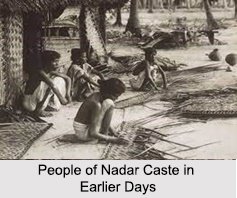
The Nadar caste played an important role in the social history of southern India. Many of the community members were associated with activities involving the palmyra tree in earlier times. They have had the chance to improve their social situation over the years through education and new opportunities. Their progress has influenced the community’s role in the larger social order.
Ritual customs and beliefs.
The Nadar caste continues to have a strong influence from the traditions of their community. Festivals, family reunions and religious occasions help maintain cultural values. These events help to unite people and enhance community bonds. Such festivities pass on history and instill a sense of belonging to the culture of their ancestors.
Economic Impact and Growth
Local and regional communities have benefitted greatly from the contributions the Nadar caste has made to the economy. Many families went into business and other professions after traditional agriculture and trade but were significant. Their adaptability helped to generate new opportunities. The economic influence of the community is evident today in various areas such as commerce, education and services.
Key attributes of the Nadar caste are:
| Attribute | Description |
| Historical Significance | Strong presence in southern Indian history. |
| Community Traditions | Preserves customs, festivals, and values. |
| Cultural Identity | Maintains a distinct cultural heritage. |
| Entrepreneurial Spirit | Active in trade and business sectors. |
| Social Progress | Improved through education and opportunity. |
| Economic Impact | Contributes across multiple industries. |
| Community Unity | Encourages strong family relationships. |
| Adaptability | Embraces change while respecting tradition. |
| Educational Focus | Values learning and skill development. |
| Modern Presence | Active in diverse professional fields. |
Nadar caste and Their Historical Significance
The history of the Nadar caste is reflected in the process of social and economic transformation. People throughout the community were active in promoting and enhancing opportunities and developing new professions. Education was used as a means of development. The slow evolution enabled them to build up their cultural identity as well as their place in society.
Preserving Cultural Identity in Modern Times
The Nadar caste today cherish the traditions and modernize their life. Music, traditional culture, traditional dress and the customs of the people are still important. Meanwhile, younger generations are engaged in education and career paths. This equilibrium has enabled the Nadar caste to preserve their culture and adapt to future opportunities.
FAQs
Q1. What is the history of Nadar caste?
Ans: Its origins lie in the southern part of India, and it had historically been associated with occupations relating to palmyra, trade, and agriculture.
Q2. How does the Nadar caste contribute to the economy?
Ans: The community participates in business, trade, education, services, and in various professional areas.
Q3. How are community traditions important?
Ans: Community traditions serve to maintain cultural identity, build community and to transmit values to future generations.
Q4. What mechanisms help the community to preserve its cultural identity today?
Ans: The community still holds festivals and upholds traditions and promotes cultural heritage awareness.