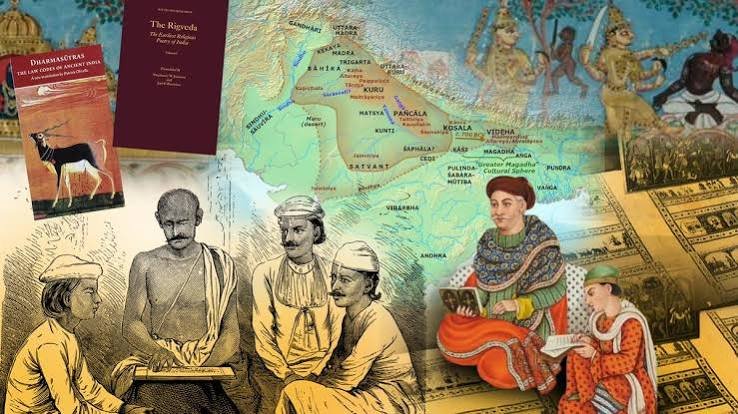
Understanding the Social Structure
The Barai caste has a peculiar social structure, which had developed over many centuries. This community is mainly found in the areas like Uttar Pradesh, Madhya Pradesh and Maharashtra. The Barai caste have traditionally been linked to plantation of betel leaves and it has affected the economic and social position of this caste section. They are active in agricultural activities, embodying their strong ties with the land and sustainable living.
Cultural Heritage and Practices
The rich and diverse culture of Barai caste is deeply entrenched in the ancient practices. The community holds some festivals and rites to celebrate the agri-cultural life, which shows their connection with nature. The Barai caste has a great deal of cultural heritage. Their music, dance and folklore are deeply intertwined into their life style and often include messages of prosperity and harmony with nature.
Traditional Occupations and Economic Impact
The Barai caste traditionally has labor in betel leaf related activities. The Result is Not Only A Means to earn a livelihood but also a Symbol of Culture. This traditional job is not only important to the family and community, but has a major economic impact as well on local markets. A few members of the Barai caste have taken up other jobs in recent years but cultivation of betel leaf is an important part of their identity and livelihood.
Historical Context and Regional Presence
The Qurumbran background and their place of living are closely linked together for Barai caste. They inhabit different Indian states and have consequently had an impact on their cultural and social activities. The Barai caste have been resilient and adaptable in the past and to the changing political and economic environment. A sense of community (and cooperation) has gone a long way in strengthening their presence.
Key Characteristics of the Barai Caste
| Aspect | Description |
| Traditional Occupation | Betel leaf (paan) cultivation and related agricultural activities |
| Major Regions | Uttar Pradesh, Madhya Pradesh, Maharashtra |
| Social Structure | Community-oriented with strong agricultural roots |
| Cultural Heritage | Festivals, folk music, dance, and traditional customs |
| Economic Contribution | Supports local agricultural markets through betel leaf production |
| Modern Developments | Increasing focus on education, diverse professions, and economic advancement |
The Barai Caste in Modern Society
The Barai today find themselves at crossroads with both opportunities and constraints in today’s society. The olden days are significant but a shift towards education and modernization is in trend now. Over the years, the Barai caste has become more aware of their rights and possibilities in the economic sector and the groups are now involved in various professional activities, developing and participating in the larger economy.
FAQ
What is the primary occupation of the Barai caste?
Traditionally, the main occupation of Barai caste has been the growing of betel leaves. This is an important way in which they express what to them is a vital aspect of their culture, and an important part of their economic base and social standing.
How does the Barai caste preserve its cultural heritage?
Some of the cultural practices that are maintained by the Barai caste include festivals, music, dance, and folklore. The traditions have been passed on from generation to generation and are a testament to their ties with nature and agriculture.
In which regions is the Barai caste predominantly found?
The Barai are mostly located in Uttar Pradesh, Madhya Pradesh and Maharashtra states of India. Their residence in those areas brings an impact to their culture and society.